Never Have I Ever: Global Game Variations & Etiquette
Have you ever hosted friends from different countries and discovered that the simple party game you've played for years has completely different rules elsewhere? In our connected world, "Never Have I Ever" has grown far beyond its origins. It's now a global phenomenon with fascinating local twists.
This game is more than just a way to pass the time; it’s a window into different cultures. The questions people ask, the topics they avoid, and even the "punishments" can reveal so much about social norms and values. Understanding these differences is key to playing respectfully and having fun with everyone.
Whether you're planning a multicultural get-together, dating someone from another background, or just curious, this guide is for you. We'll explore how the game changes across borders. And if you’re ever short on ideas, you can always find thousands of questions on our free online game.
Ready to become a global game master? Let's dive into the exciting world of "Never Have I Ever" and its many faces.
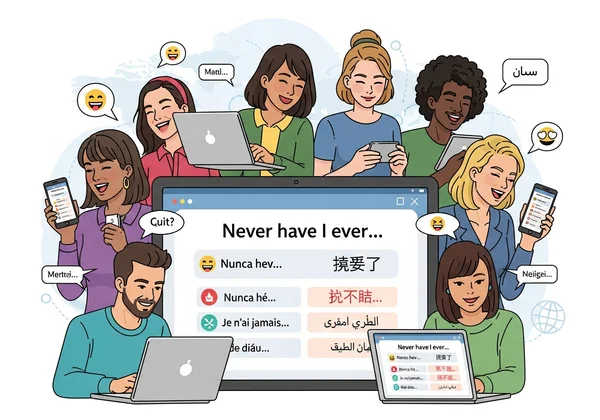
Cultural Adaptations of Never Have I Ever Around the World
The core idea of "Never Have I Ever"—revealing experiences—is universal. However, the execution varies greatly. What's considered a funny, harmless question in one country might be too personal or even taboo in another. Let's explore some of these fascinating cultural adaptations.
European Twists on the Classic Game
In many parts of Europe, "Never Have I Ever" is a staple at student parties and social gatherings, often with a unique regional flair.
- United Kingdom: The British version is very similar to the American one, often using the "ten fingers" rule. However, the humor can be much drier and more self-deprecating. Questions often revolve around awkward social encounters, embarrassing moments on public transport, or funny holiday mishaps.
- Germany: Known as Ich hab' noch nie..., the game is a popular drinking game (Trinkspiel). The rules are straightforward: if you've done the action, you drink. Germans often appreciate witty and clever questions, and the atmosphere is typically lively and direct.
- France: In France, the game (Je n'ai jamais...) is often played with a greater emphasis on romance, food, and travel. The French tend to be more open about relationships and personal experiences, so the questions can become quite intimate, even outside of a "spicy" context.
- Scandinavia: In countries like Sweden and Norway, the game is a common feature of pre-parties (förfest). Reflecting a culture that values honesty and directness, players are often very open. However, questions about personal finances or showing off are generally avoided.
Asian Variations and Question Philosophies
In many Asian cultures, where group harmony and saving face are important, the game adapts to be less confrontational and more about shared experiences.
- South Korea: The game is incredibly popular among young people and is often seen on TV shows. A common variation involves folding down fingers, and the last person with fingers up might have to perform a small, funny forfeit. Questions often focus on school life, friendships, and dating in a way that’s cute and playful rather than overly revealing.
- Japan: While less common as a mainstream party game, similar concepts exist. When played, the questions are usually very mild. Topics that could cause embarrassment or disrupt group harmony are carefully avoided. The focus is on finding commonalities and light-hearted fun.
- India: "Never Have I Ever" is a huge hit among urban youth and college students. With India's incredible diversity, the questions often touch upon family expectations, navigating traditions, or funny encounters with aunties and uncles. The game is a great way for young Indians to discuss shared cultural experiences in a fun, modern context.
- The Philippines: Known for a warm and communal culture, the game here is all about laughter and bonding. Questions about family, food, and funny mishaps are always a hit. It's less about exposing deep secrets and more about celebrating shared, relatable life moments.
Latin American Party Game Flavors
In Latin America, where parties are vibrant and social connections are central, the game takes on a particularly festive and open character.
- Mexico: Known as Yo nunca, nunca..., the game is a party essential, often fueled by tequila. The atmosphere is loud, fun, and very social. Mexicans are generally not shy, so questions can get personal and hilarious quickly. It's a game of bold confessions and lots of laughter.
- Brazil: In Brazil, the game (Eu nunca...) is perfect for the carnival-like atmosphere of social gatherings. Brazilians are known for their openness and passion, so questions often revolve around relationships, dancing, and dramatic life events. The goal is to get a great story out of someone.
- Argentina: Played with friends over mate or fernet, the game is a way to deepen bonds. Argentinians may use the game to engage in playful debates, and questions often have a philosophical or psychological twist, exploring why people do what they do.
No matter where you are, having a good set of questions is key. If you need inspiration for your next game night, play the game on our platform, available in over 20 languages.
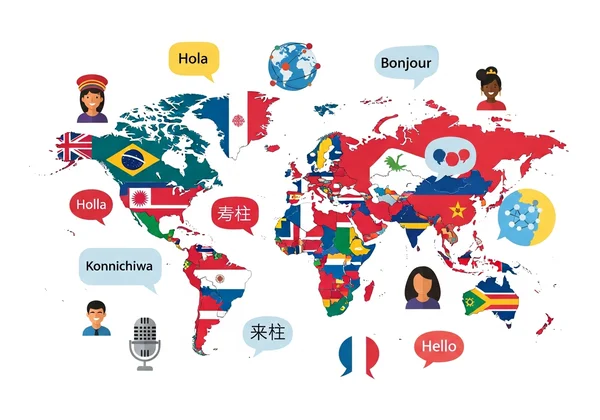
Etiquette Guidelines for Multicultural Play
Playing "Never Have I Ever" with a diverse group is an amazing way to learn about different cultures and make new friends. However, it's crucial to be mindful and respectful. The goal is to build bridges, not create awkwardness.
Following a few simple etiquette rules can ensure everyone feels comfortable and has a great time. Think of it as being a good host for the game. Your role is to create a safe and fun environment where everyone feels included.
Navigating Sensitive Topics Across Cultures
The most important rule is to read the room. Pay attention to your friends' reactions. If a topic seems to make someone uncomfortable, steer the conversation in a different direction.
Here are some general tips:
- Money and Status: In many cultures, including parts of Asia and Scandinavia, asking direct questions about income, wealth, or social status is considered rude. Avoid questions like, "Never have I ever flown first class."
- Family and Personal Criticism: While playful jabs at family are common in some Western cultures, it can be a sensitive topic in others where family holds a position of deep respect. Avoid questions that could be interpreted as critical of someone's parents or upbringing.
- Religion and Politics: Unless you know the group very well and everyone is comfortable with it, it's best to avoid these topics. They can be deeply personal and divisive, which is the opposite of what you want in a fun party game.
- Romantic and "Spicy" Questions: Be extra cautious here. Public displays of affection and openness about romantic history vary wildly. Start with very mild questions. Only move to spicier topics if everyone is clearly enthusiastic and comfortable. A great way to manage this is by using a tool with clear categories. You can start with "Popular" and only move to "Spicy" if everyone agrees.
When in doubt, start with universal, light-hearted topics: travel, food, hobbies, funny childhood memories, and minor embarrassing moments. These are almost always safe and enjoyable for everyone. For a curated list of safe starters, you can try our tool.
Frequently Asked Questions
What are good never have i ever questions for an international group? Start with universal themes. Good questions focus on travel ("Never have I ever missed a flight"), food ("Never have I ever tried a food I couldn't stand"), school/work ("Never have I ever fallen asleep in a meeting"), and general life experiences ("Never have I ever gotten a terrible haircut"). These topics are relatable across most cultures.
How can I play Never Have I Ever online with friends from different countries? Playing online is easy! All you need is a video call app (like Zoom or Google Meet) and a good question generator. One person can share their screen with the game on it. Our website, Never Have I Ever Online, is perfect for this because it's available in over 20 languages, so everyone can play in their native tongue if they prefer.
How does the game work with different language speakers? Clarity is key. When you read a question, say it slowly and clearly. If you're using an online tool, choose one that supports multiple languages. This allows players to understand the question in their own language, removing any confusion. Our platform was designed specifically to solve this problem for global friend groups.
What if I accidentally ask an offensive question? It happens. If you realize you've crossed a line, the best thing to do is apologize immediately and sincerely. Say something like, "I'm so sorry, I didn't mean for that to be offensive. Let's move on to the next question." A genuine apology shows respect and helps move past the awkward moment quickly.

Wrapping up
"Never Have I Ever" is more than just a game; it's a bridge connecting people. By understanding and respecting its cultural variations, you can turn a simple party activity into a rich, rewarding experience that deepens friendships and creates lasting memories.
To make your next game night unforgettable:
- Be Aware: Recognize that rules and question topics change dramatically from one culture to another.
- Read the Room: The best way to ensure everyone is comfortable is to pay attention to their reactions and stick to safe, universal topics at first.
- Use the Right Tools: A multilingual platform with categorized questions can make hosting a multicultural game night seamless and fun for everyone involved.
The beauty of this game lies in the stories shared and the laughter that follows. It’s about discovering that your friend from Brazil has a wild carnival story or that your colleague from Japan shares your secret love for cheesy pop music.
Ready to put your new knowledge to the test and connect with friends from around the globe?
Start playing Never Have I Ever online now and discover a world of fun!**