Psychology of Never Have I Ever: Why We Love Secrets
The room goes quiet. The music is low, and the snacks are nearly gone. Then, someone says the magic words: "Let's play Never Have I Ever." Suddenly, the energy shifts. People lean in, eyes sparkling with a mix of excitement and nervous energy. But have you ever stopped to wonder why this simple game is such a global phenomenon?
Whether you are at a crowded house party or hanging out with a few close friends, this game has a way of revealing the unexpected. It is more than just a way to pass the time; it is a powerful social tool. By asking questions and sharing experiences, we learn things about our friends that might never come up in normal conversation. If you want to experience this yourself, you can start the game right now with our online tool.
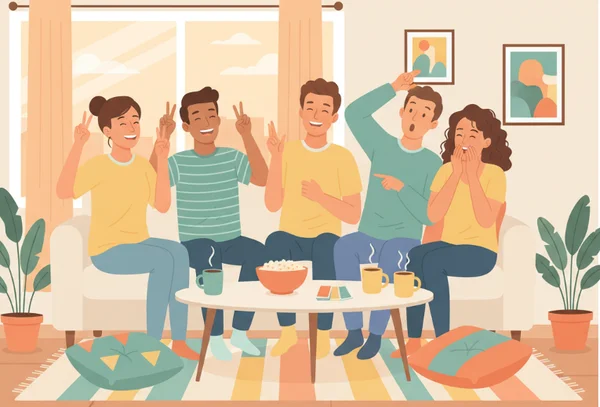
This article explores the fascinating psychology of never have i ever. We will dive into why our brains love to confess, how vulnerability creates fast friendships, and why sharing secrets is actually good for your mental health. From the "spicy" revelations to the funny everyday stories, there is a deep science behind the fun.
The Psychology of Shared Vulnerability in Never Have I Ever
At its heart, Never Have I Ever is a game about vulnerability. When you admit to something you have done, you are "lowering your shield." In the world of psychology, this is known as self-disclosure. It is the process of making yourself known to others. This process forms the foundation of every human relationship.
How Shared Vulnerability Creates Instant Bonds
Have you noticed how much closer you feel to someone after they tell you a funny or embarrassing story? This isn't an accident. Sharing a secret signals trust. Hearing others say "Me too!" sparks instant connection—like finding secret members of your weirdo tribe. This mutual sharing is what psychologists call "the vulnerability loop."
By playing the game, you are essentially fast-tracking the friendship process. Instead of spending weeks on boring small talk, you jump straight into real-life experiences. This is why people often build deep bonds during a single night of gaming. It creates a safe space where being imperfect is the ultimate goal.
The Neuroscience Behind Risk-Taking in Social Settings
When we play games involving secrets, our brains go into overdrive. There is a small rush of adrenaline when a "spicy" question comes up. Will you admit to it? Will others judge you? This mild social risk triggers the release of dopamine, the brain's "reward" chemical.
When we realize that our friends have done the same embarrassing things, our brains release oxytocin. This is often called the "bonding hormone." It helps us feel connected and secure within our social group. This mix of adrenaline and oxytocin makes the party game science of Never Have I Ever incredibly addictive.
Why Confessions Feel Good
There is a biological reason why "getting it off your chest" feels so good. Keeping secrets is actually stressful for the brain. It requires constant cognitive effort to hide information. When you finally admit to something in a game setting, you experience a "catharsis" or an emotional release.

This release lowers your cortisol (stress hormone) levels. The brain rewards this honesty because, in an evolutionary sense, being honest with your "tribe" helped you survive. By using a fun party tool, you are giving your brain a chance to relax and enjoy the benefits of social transparency.
Never Have I Ever as a Social Lubricant
We often use the term "social lubricant" for things that help people relax in groups. While people often think of drinks or music, games are some of the most effective lubricants available. They provide a structure for interaction. This removes the pressure of wondering what to say next.
Breaking Down Social Barriers Through Gameplay
In many social situations, we follow strict rules. We act professional at work or polite at dinner parties. These barriers can make it hard to truly know someone. Never Have I Ever acts as a "shortcut" through these walls. Because it is "just a game," people feel they have permission to be more honest than they would be in a standard conversation.
The game levels the playing field. It doesn't matter if you are the boss or the intern; if the question is "Never have I ever been late to a meeting," everyone has to answer. This breakdown of hierarchy helps people see each other as humans first. This is why it is such a popular choice for team-building and icebreakers.
How the Game Establishes Social Hierarchies and Group Norms
While the game breaks down some barriers, it also helps a group understand its own "norms." Every "I’ve done that!" reshapes the group’s vibe. Suddenly, stealing traffic cones isn’t weird—it’s a bonding ritual. This is part of the secret-sharing benefits that help a group form a unique identity.
For example, in a group of adventurous travelers, the "winners" might be the ones who have done the craziest things. In a group of coworkers, the game might reveal shared frustrations or funny office mishaps. This helps the group find common ground and understand the "unspoken rules" of their friendship circle.
The Surprising Benefits of Strategic Self-Disclosure
Not all sharing has to be deep or dark. Sometimes, "strategic" sharing is the best way to build a relationship. This means choosing to share things that are relatable and funny. Never Have I Ever allows you to control how much you reveal while still participating in the group activity.
Studies show sharing a few funny secrets makes you instantly relatable. It’s the cocktail-party superpower you didn’t know you had. By sharing a few awkward truths, you appear more approachable and "real." To find the perfect balance of questions for your group, you can play online and choose the category that fits your comfort level.
Cultural Universals and Awkward Truths
The beauty of Never Have I Ever is that it works almost anywhere. However, the way people play can change based on their culture, age, and even whether they are playing in person or through a screen.
Cross-Cultural Studies of Truth-Revealing Games
Truth-revealing games exist in almost every culture. From "Truth or Dare" in the West to similar ritualized sharing in other regions, humans have always sought ways to uncover secrets. This suggests that the desire to "know and be known" is a universal human trait.
Our platform supports over 20 languages because we know that the fun of discovery crosses all borders. Whether you are speaking Spanish, Chinese, or Arabic, the psychological thrill of the "big reveal" remains the same. It is a global language of laughter and surprise.
Age-Based Psychological Responses to Never Have I Ever
How we respond to the game changes as we grow:
- Teens: For teenagers, the game is often about testing boundaries and seeing where they fit in. It is a way to explore social risks in a safe environment.
- Adults: For adults, the game is usually more about nostalgia or finding common ground in the chaos of adult life.
- Couples: For couples, it can be a romantic tool to learn more about a partner’s past in a lighthearted way.
Each age group uses the game to solve a different psychological "need," whether that is social validation, stress relief, or romantic connection.
Digital Adaptation: How Online Changes the Psychological Dynamic
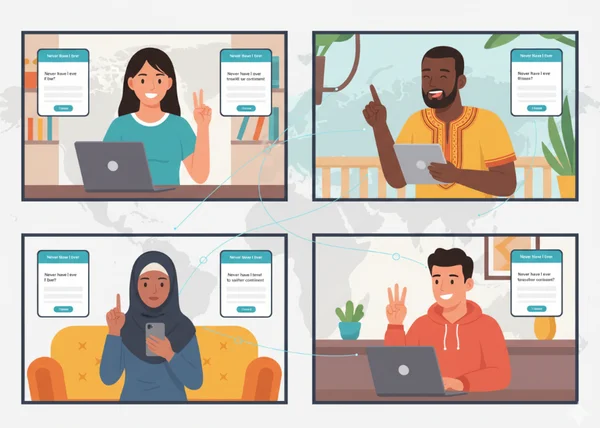
In the past, you needed to be in the same room to play. Today, things are different. Playing Never Have I Ever online has changed the dynamic in a surprising way. Some psychologists suggest that the "online disinhibition effect" makes people even more honest when playing through a screen.
When you use an online generator, the questions feel more "random" and less "personal." This can actually reduce the fear of judgment. If a computer picks a "spicy" question, it doesn't feel like a specific friend is attacking you. This makes the game feel safer and often leads to more hilarious and honest revelations.
Beyond Entertainment: The Real Relationship Value of Never Have I Ever
Turns out those embarrassing confessions do more than just make us laugh—they're social glue! Never Have I Ever is a psychological bridge. It helps us navigate the complex world of human emotions, trust, and social connection. By participating, you are practicing empathy and strengthening your social network.
The real value isn't in the "points" or who "wins." The real value is the stories that come after the confession. When someone says "I've done that," and then tells the story of how it happened, a memory is created. Those memories are the bricks that build lasting friendships.
Now that you understand the psychology behind why we love playing, it is time to put it into practice. Experience these social benefits firsthand and see what secrets your friends are hiding. The magic happens when you start sharing—begin your journey of discovery at NeverHaveIEver.org.
FAQ Section
Is Never Have I Ever psychologically beneficial for building relationships?
Absolutely! Spilling those juicy secrets isn’t just fun—it builds trust faster than three rounds of tequila shots. The game encourages shared vulnerability, which is the "secret sauce" for emotional intimacy. By revealing small secrets in a fun environment, players build trust and empathy.
Why do people enjoy sharing potentially embarrassing information in Never Have I Ever?
Our brains are wired to find relief in honesty. Sharing a secret reduces the stress of "hiding" and triggers a dopamine release. Plus, seeing that others have had similar experiences makes us feel less alone. It's like realizing everyone else is just as weird as you are. You can try the generator to see which questions trigger that fun "confession" feeling for you.
How can Never Have I Ever be used therapeutically?
While it is primarily a party game, the principles can be used in group therapy to break the ice. It helps people practice "low-stakes" vulnerability. This makes it easier to talk about more difficult topics later. It teaches groups that it is perfectly okay to be human and imperfect.
Are there psychological risks to playing Never Have I Ever?
The main risk is "over-sharing" or feeling pressured to reveal something you aren't comfortable with. Always play in a group where you feel safe. Remember, you can always choose not to answer if things get too intense. Using a categorized tool helps ensure the questions match the "vibe" and comfort level of everyone in the room.