The Psychology of Never Have I Ever: How Secrets Build Bonds
Have you ever wondered why "Never Have I Ever" has remained a social staple for decades? You might play it in a college dorm, at a wedding after-party, or through an online game with long-distance friends. Regardless of the setting, the appeal remains universal. Beyond the laughter and the occasional silence, this simple game taps into fundamental human psychology. It is a tool that helps us navigate the complex world of social interaction.
Most people play to have fun, but there is a deeper science at work. Sharing secrets and admitting to experiences is a delicate social ritual. It builds connections and fosters understanding between people who might otherwise remain strangers. By understanding the "why" behind the game, you can turn a simple evening into a profound bonding experience.
In this exploration, we will uncover the science behind why sharing experiences creates such powerful social bonds. We will look at how vulnerability works and how trust is built through reciprocity. We will also examine how group dynamics shift during a session. If you are ready to see how this works in practice, you can start now and test these psychological principles with your own social circle.
The Science of Vulnerability in Social Bonding
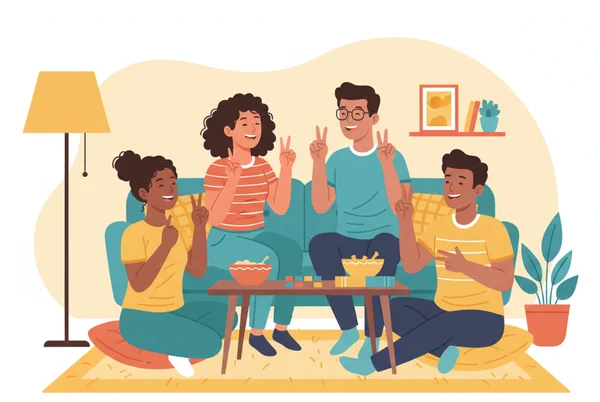
At the heart of the game is the concept of vulnerability. In psychology, vulnerability is the willingness to show one's true self. This includes sharing flaws and past mistakes. While many view vulnerability as a weakness, social scientists see it as the "glue" that holds relationships together. When we play a game that asks us to reveal our past, we choose to be vulnerable in a controlled environment.
How Vulnerability Creates Immediate Connections
Vulnerability creates connections because it signals honesty. When you admit to something—even something small like staying up all night playing video games—you're giving others a glimpse into your real life. This lowers social barriers and makes people feel more comfortable being themselves. It tells other players that you are not trying to be perfect.
In a group setting, this effect is multiplied. When one person takes the risk to be vulnerable, it creates a "domino effect." Others feel a psychological pull to match that level of honesty. This is why a group of strangers can feel like close friends after just thirty minutes of playing an interactive game together. The game provides a shortcut through the "small talk" phase of a relationship.
The Vulnerability Paradox: Risk and Reward in Game Settings
The "Vulnerability Paradox" is a fascinating psychological concept. It suggests that we feel afraid to show our own vulnerabilities, yet we find the vulnerability of others incredibly attractive. In "Never Have I Ever," this paradox is the primary engine of entertainment. We might feel a slight sting of embarrassment when admitting to a "spicy" or "dirty" experience. However, the reward is the instant validation we receive from the group.
The game creates a "psychological safety net." Everyone plays by the same rules, which reduces the risk of social judgment. When everyone shares secrets, no single person can be singled out or shamed. This balance of risk and reward allows people to share things they might never mention in a normal conversation. This leads to deeper levels of intimacy and friendship.
Case Studies: When Vulnerability Transforms Acquaintances into Friends
Consider a typical office team-building event. People often start the day feeling stiff and professional. However, when they play a curated version of the game using "Popular" or "Party" categories, the atmosphere changes. One person admits they have never cooked a successful meal. Suddenly, three other colleagues are laughing and sharing their own kitchen disasters.
These shared admissions transform the professional mask into a human face. By the end of the game, participants no longer see each other as just "the accountant" or "the manager." They see each other as humans with shared quirks and histories. This transformation is not accidental; it is the result of structured vulnerability. You can experience this transformation yourself by using our free tool at your next gathering.
Trust Building Through Shared Experiences
Trust is not something that happens overnight. It is built through a series of small, positive interactions. This game acts as an accelerator for this process. By encouraging players to share experiences, it creates a foundation of shared knowledge. This knowledge is the first step in building a long-lasting bond of trust between individuals.
The Reciprocity Effect in Never Have I Ever
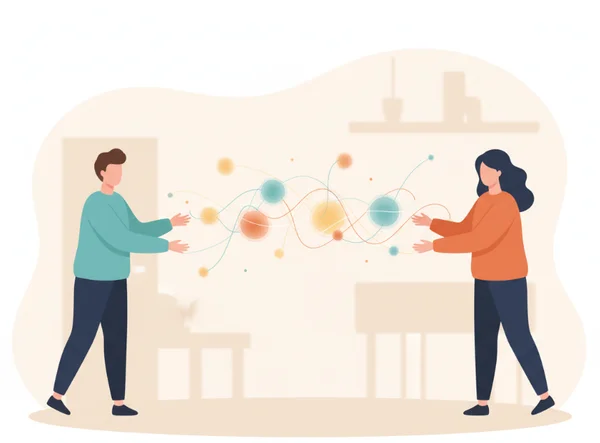
The psychological principle of reciprocity states that when someone does something for us, we feel a urge to return the favor. In the context of the game, this applies to self-disclosure. If a friend reveals a personal story after a prompt, you feel a psychological "debt." You feel more inclined to share something of equal value when your turn comes.
This "give-and-take" creates a cycle of increasing trust. As the game progresses, the questions often move from surface-level facts to deeper personal experiences. This step-by-step disclosure ensures that no one feels over-exposed too quickly. The reciprocity effect ensures that the group moves forward together. It builds a collective sense of security and mutual respect.
Building Trust Gradually: From Safe to Revelatory Questions
One reason the game is so successful is its progressive nature. Most groups start with "Safe" or "Popular" questions. These include prompts like "Never have I ever traveled to another country" or "Never have I ever broken a bone." These questions build a baseline of trust without requiring too much emotional labor.
As the comfort level rises, players often move toward "Relationships" or "Spicy" categories. This transition is crucial. By the time the group reaches the more revelatory questions, a foundation of trust exists. The gradual increase in "social weight" prevents people from feeling overwhelmed. If you want to see how these categories are structured, you can browse the popular category and see the progression for yourself.
Trust as the Foundation for Deeper Connections
Ultimately, the goal of these interactions is to move beyond the game. The trust built during a session often carries over into real life. When you know a friend's secret or a funny story about their past, you have a unique "inside connection." This creates a sense of "in-group" loyalty.
Psychologists note that shared laughter and shared secrets are strong predictors of long-term friendship. The game provides both in abundance. By the time the game ends, the players have a shared history of revelations. This acts as a powerful anchor for their relationship. Trust is no longer a theoretical concept; it is a lived experience felt by everyone in the circle.
Group Dynamics and Social Hierarchies Revealed
The game is great for one-on-one bonding, but it is equally powerful at revealing the "hidden map" of a group. Group dynamics—the way people interact and lead—come to the surface very quickly. This makes it a fascinating subject for anyone interested in social psychology.
Mapping Social Networks Through Shared Confessions
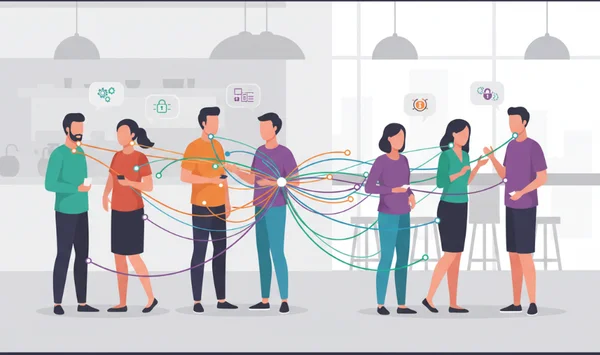
When a question is asked and several people "drink" or drop a finger, a sub-group is instantly formed. These people now share a common experience that the others do not. This mapping of shared confessions helps the group understand who has common ground. It reveals hidden connections that might not have been obvious before.
For example, two people might discover they both lived in the same city. These "micro-connections" help to strengthen the overall web of the social network. It turns a group of individuals into a cohesive unit. If you are organizing a party, using a party game tool is an excellent way to help your guests map out their own connections.
Power Dynamics in the Game Circle
The game can also highlight who holds influence within a group. The person who chooses the questions often sets the "tone" for the evening. If they choose "Spicy" questions, they push the group toward higher risk. If they choose "Family Friendly" questions, they act as the protector.
Observers can see how players react to challenges. Some people take their turn with a laugh, showing high social confidence. Others might be more hesitant, showing a need for more group support. Understanding these dynamics can help a host navigate the group's needs more effectively. It turns the game into a social laboratory where you can observe human behavior in real-time.
Inclusion and Exclusion: The Social Impact of Game Participation
One of the most important aspects of group dynamics is the feeling of inclusion. The game is designed to be inclusive because everyone participates at the same time. Even if you haven't done the thing mentioned in the prompt, your "silence" is still a part of the game. You are still a member of the circle.
However, hosts must ensure the questions fit the group. If the questions are too specific to one lifestyle, others might feel excluded. This is why using a diverse spicy question generator or general categories is so helpful. It provides a wide variety of topics. This ensures everyone, regardless of their background, can participate and feel included in the fun.
So there you have it
"Never Have I Ever" isn't just your average party game. It's actually a clever psychological tool that uses vulnerability, reciprocity, and group dynamics to create real human connections. By sharing our stories and secrets, we break down the walls that keep us apart and build the bridges that bring us together.
We have seen how vulnerability creates immediate bonds and how trust is built through the careful give-and-take of shared experiences. We have also explored how the game acts as a mirror, reflecting the hidden dynamics of our social groups. Whether you are looking to make new friends or deepen current bonds, the science is clear: sharing experiences works.
The best way to understand these psychological principles is to experience them yourself. Whether you are planning a small gathering or a large party, our online tool provides over 400 carefully categorized questions to help you get started. Take the leap, be a little vulnerable, and see how much closer you feel to your friends by the end of the night.
FAQ Section
Why does sharing secrets make us feel closer to people?
Sharing secrets triggers the Social Penetration Theory. This theory suggests that as relationships develop, communication moves from shallow to deep. When you share a secret, you invite someone into your "inner circle." This creates a sense of intimacy and trust. You can start this process easily by using our game generator. Try starting with "Popular" questions to establish safety before moving to deeper secrets.
Is there a scientific basis for why laughter during games strengthens bonds?
Yes. Laughter releases endorphins and oxytocin, often called "bonding hormones." When a group laughs together at a funny revelation, their brains are chemically rewired to feel more connected. It is a natural way to reduce social stress. To keep the mood light, try the "Funny" or "Party" categories on the site.
How can understanding the psychology behind the game make me a better host?
When you understand vulnerability and trust, you can choose the right questions for the right moment. For example, if the group is just meeting, start with "Safe" questions to build comfort. Observe the group's body language as you play. If the energy dips, switch to different categories using the online tool to match the group's psychological vibe.
Are there any psychological risks to playing Never Have I Ever?
The main risk is "over-sharing" too early, which can make some players feel uncomfortable. It is important to play in a respectful environment where "no" is an acceptable answer. Always ensure the questions match the comfort level of the group. Our online version offers different categories like "Teens" and "Random" to help keep the game safe for everyone.
Can Never Have I Ever be used as a therapeutic tool?
While it is primarily a party game, variations are often used in group therapy or icebreaker sessions. It helps participants practice self-disclosure and empathy in a low-stakes environment. For therapeutic use, it is best to have a trained facilitator present. For casual bonding and building friendships, you can always rely on our online version.